
Social media has changed how people organize, communicate, and share information. It has helped neighbors find one another in moments of crisis, allowed movements to grow quickly, and lowered barriers for people to speak publicly. For many, these platforms are where local issues first appear and conversations begin. That potential is real, and it plays an important role in how information moves today.
At the same time, most platforms are not designed to serve communities—they’re designed to maximize attention. What rises in a feed is shaped less by public value and more by engagement metrics. As media ownership and distribution continue to consolidate, decisions about visibility are increasingly made by systems and companies far removed from the communities affected by them. Important local conversations can be buried, while incomplete or misleading information is rewarded because it travels farther.
This has real consequences for civic life. Local decision-making rarely fits neatly into short clips or trending formats. Context takes time. Accountability requires full records. Trust grows when people can see not just the outcome of a decision, but how it was made. When that information is filtered, fragmented, or disappears altogether, participation becomes harder and public understanding suffers.
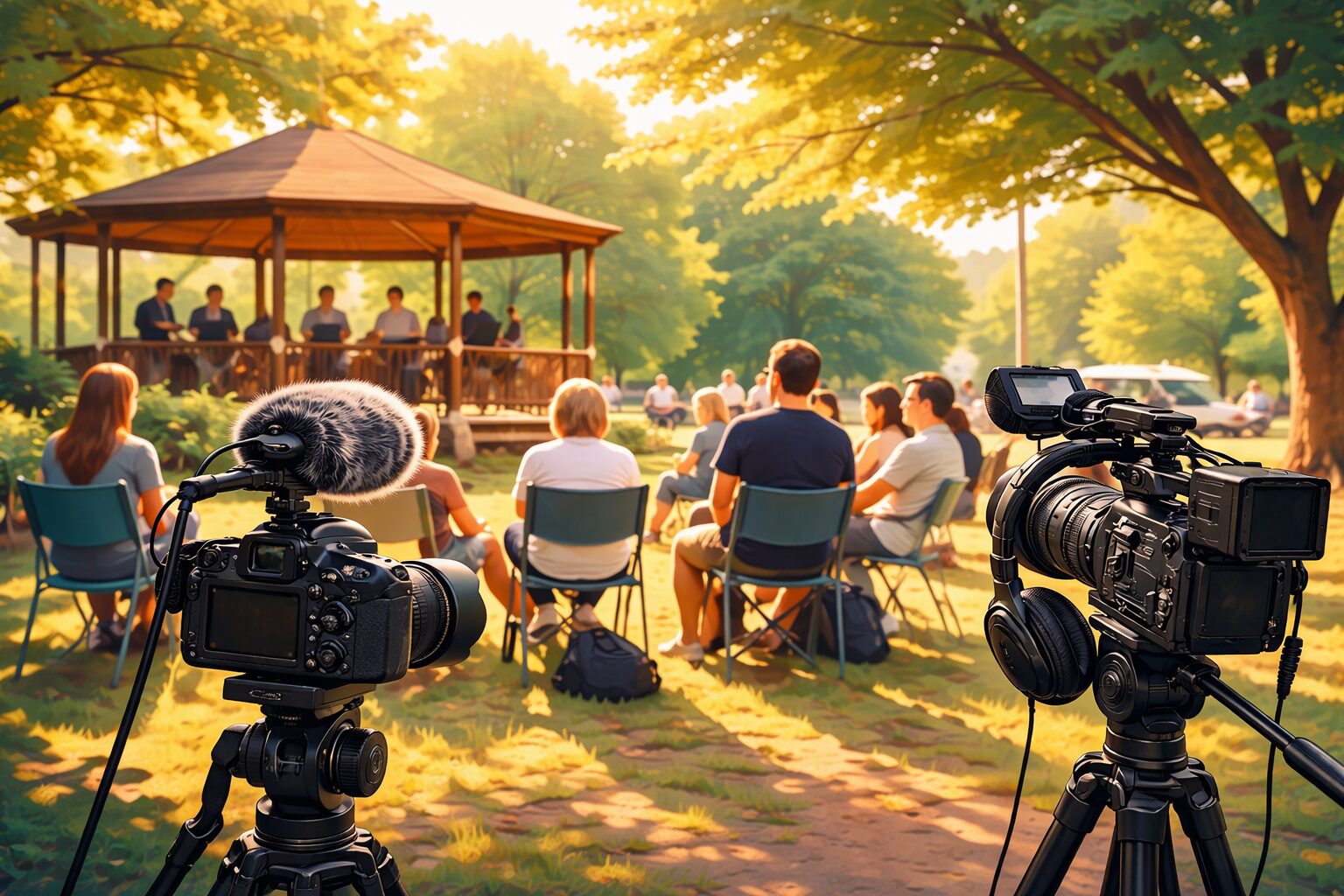
Community media exists to support a different approach. At Public Media Network, the focus is on open access, local accountability, and shared civic space. From unedited government meetings to community-produced conversations and cultural storytelling, this work prioritizes completeness, transparency, and participation over reach or virality.
In a healthy local information ecosystem, social platforms can help circulate information—but they can’t replace spaces built for public life. Community media creates room for local voices, full context, and ongoing engagement. Watching, participating, and supporting local media helps ensure that the stories and decisions shaping our communities remain visible, accessible, and grounded in the places they affect.


